العربية
 English
 français
 Deutsch
 русский
 español
 português
 Polski
 Tiếng Việt
يتم تصنيع الشبكة الفولاذية الموسعة على شكل الماس من لوحة فولاذية منخفضة الكربون عالية الجودة من خلال اللكم والتمدد لتشكيل شاشة شبكية فولاذية موسعة. الألوان المتوفرة:

Quick Answer
A base station power system ensures continuous communication service by converting AC power into stable DC power, managing battery backup, controlling power distribution, and providing remote monitoring. When utility power fails, the system keeps wireless equipment, transmission equipment, and monitoring systems running through reliable backup power.
Key Takeaways
Mobile communication base stations, transmission rooms, and edge rooms usually need to operate continuously throughout the year.
However, communication services may be affected by:
The role of a base station power system is to convert AC power into stable DC power and manage battery backup. When utility power is abnormal, the system ensures that wireless equipment, transmission equipment, and monitoring equipment continue operating.
The commonly used telecom DC bus voltage is -48V, which is suitable for communication equipment and supports battery backup through parallel battery configurations.
A complete base station power system usually includes the following components:
Provides power input switching, surge protection, and branch protection.
Converts AC power into stable DC power.
Distributes DC power according to different load requirements.
Collects voltage, current, temperature, module, and battery information.
Provides backup power during utility power failures.
Some sites may also integrate diesel generators, solar systems, or energy storage systems to improve power reliability.
Communication base stations operate continuously, so rectifier efficiency directly affects energy consumption and equipment heat generation.
High-efficiency rectifier modules can reduce power losses and improve system efficiency.
To ensure reliability, rectifier modules should be configured according to load requirements and battery charging needs. A common design is N+1 redundancy.
With N+1 redundancy:
Multiple parallel rectifier modules should also have good current sharing performance to prevent individual modules from long-term overload.
Battery backup time depends on:
During long-term operation, batteries may experience:
The monitoring system should detect:
For lithium battery systems, the BMS should provide information including:
This helps prevent system limitations or shutdown caused by communication interruption or parameter mismatch.
When utility power is unavailable for a long time and battery voltage continues to decrease, the base station power system can perform load shedding according to load priority.
The system can first disconnect:
Meanwhile, it continues supplying:
This strategy helps extend the operating time of critical communication services.
Load shedding thresholds and recovery conditions should be configured according to battery characteristics to avoid affecting services too early or damaging batteries through deep discharge.
Base stations are widely distributed, and many sites operate without on-site personnel.
A remote monitoring system should support data collection of:
Through historical data analysis, operators can identify:
When an alarm occurs, the system should clearly provide the site, equipment, and fault information to reduce troubleshooting time.
A base station power system is more than a power supply device. It also provides energy conversion, backup protection, load management, and remote maintenance functions.
A reliable system should include:
Only when the power system remains stable can communication networks continue operating under complex power conditions.
Because power interruptions caused by utility failures, lightning, construction, or poor power quality can affect communication equipment operation. Backup power helps maintain continuous service.
The commonly used telecom DC bus voltage is -48V, which is suitable for communication equipment and battery backup systems.
A complete system usually includes AC distribution, rectifier modules, DC distribution, monitoring units, and battery banks.
N+1 redundancy allows the system to continue supporting the current load even if one rectifier module fails.
Remote monitoring helps operators identify equipment status, battery conditions, and alarms remotely, reducing maintenance time and improving operation efficiency.
A Global Leading Manufacturer of Customized AC/DC Power Solutions
20+ Years of Battery Manufacturing Experience
10+ years System Integration Experience
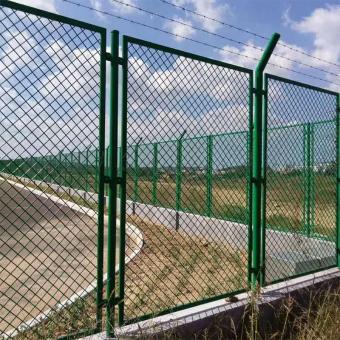
يتم تصنيع الشبكة الفولاذية الموسعة على شكل الماس من لوحة فولاذية منخفضة الكربون عالية الجودة من خلال اللكم والتمدد لتشكيل شاشة شبكية فولاذية موسعة. الألوان المتوفرة:
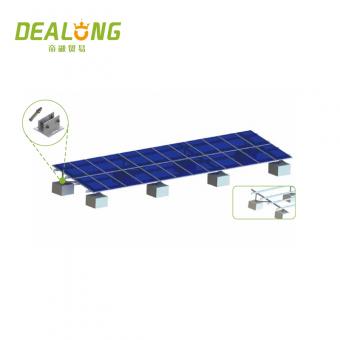
يتم تجميع حوامل الألواح الشمسية الأرضية مسبقًا في المصنع لتوفير وقت التثبيت والتكلفة
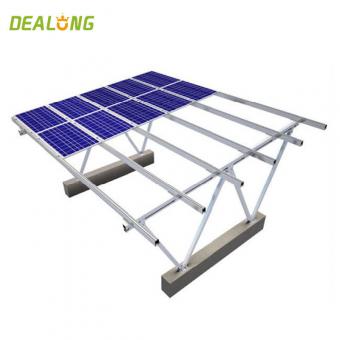
1. رقم الموديل: AL-20201110-01 2. اسم المنتج: نظام تركيب مظلة السيارات الشمسية 3. المواد: الألومنيوم والفولاذ المقاوم للصدأ 4. أقصى سرعة للرياح: 60 م/ثانية 5. حمل الثلوج: حتى 1.4 عقدة/م2 6. زاوية التركيب: 10°~60° 7. مضاد للتآكل: مؤكسد 8. الحد الأدنى للطلب: 10000 واط 9. عنصر الدفع: بنك T/T، باي بال، ويسترن يونيون 10. مهلة التسليم: 10-15 يومًا بعد الدفع
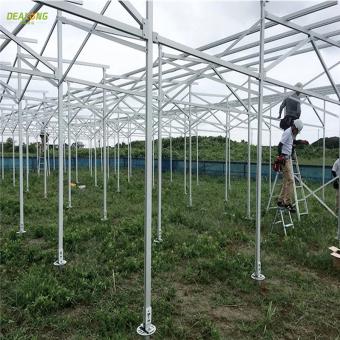
سهلة التركيب ولا تحتاج إلى قطع أو لحاممطلوبة في موقع التثبيت، مما يوفر لك الوقت والتكاليف
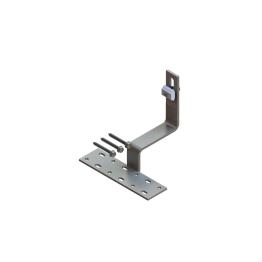
1. اسم المنتج: تركيب الألواح الشمسية على السقف 2. المادة: الفولاذ المقاوم للصدأ 304 3. اللوحة: الطول 140*العرض 33*الارتفاع 4 مم 4. الوزن: 0.56 كجم 5. السطح: مصقول بالرمل 6. النوع: قابل للتعديل 7. المكونات: خطاف + مسمار + صامولة 8. الحد الأدنى للطلب: 1000 قطعة 9. عنصر الدفع: بنك T/T، باي بال، ويسترن يونيون 10. مهلة التسليم: 10-15 يومًا بعد الدفع
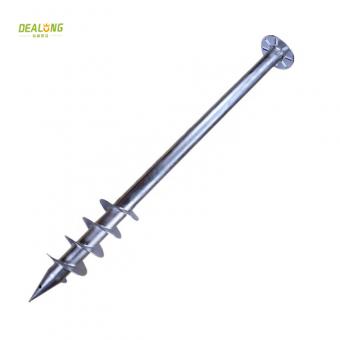
1. رقم الموديل: AL-20201110-07 2. اسم المنتج: كومة لولبية ذات شفرة حلزونية مجلفنة بالغمس الساخن 3. المواد: الفولاذ Q235B، Q195 4. معالجة السطح: الجلفنة بالغمس الساخن 5. التطبيق: نظام تركيب الطاقة الشمسية، السياج، المنزل الخشبي 6. الشهادات: ISO9001، ISO1461-1999 7. القدرة الإنتاجية: 1,000,000 قطعة/قطع شهريًا 8. المهلة الزمنية: 10-15 يومًا. 9. الحد الأدنى للطلب: 100 قطعة
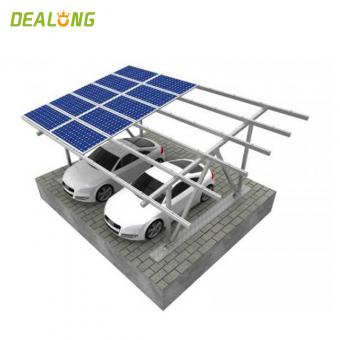
1. رقم الموديل: AL-20201111-01 2. اسم المنتج: هيكل تثبيت مرآب السيارات 3. المواد: الألومنيوم والفولاذ المقاوم للصدأ 4. أقصى سرعة للرياح: 60 م/ثانية 5. حمل الثلوج: حتى 1.4 عقدة/م2 6. زاوية التركيب: 10°~60° 7. مضاد للتآكل: مؤكسد 8. الحد الأدنى للطلب: 10000 واط 9. عنصر الدفع: بنك T/T، باي بال، ويسترن يونيون 10. مهلة التسليم: 10-15 يومًا بعد الدفع
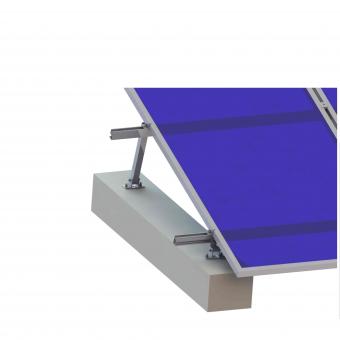
زاوية الميل هيقابلة للتعديل لتحسين إنتاج الطاقة الشمسية.

 شبكة IPv6 مدعومة