العربية
 English
 français
 Deutsch
 русский
 español
 português
 Polski
 Tiếng Việt
يتم تصنيع الشبكة الفولاذية الموسعة على شكل الماس من لوحة فولاذية منخفضة الكربون عالية الجودة من خلال اللكم والتمدد لتشكيل شاشة شبكية فولاذية موسعة. الألوان المتوفرة:

Quick Answer
DC Panel is a critical secondary power supply system used in substations, high-voltage distribution rooms, and industrial power facilities. It converts AC power into stable DC power and provides uninterrupted power support for protection relays, automatic control systems, high-voltage circuit breakers, signal circuits, and other important secondary equipment.
During normal operation, the rectifier charger supplies power to DC loads while maintaining the battery in float charging mode. When AC power fails, the battery immediately takes over the power supply without interruption, ensuring reliable operation of protection and switching equipment.
Key Takeaways
DC Panel also known as a power DC supply panel, is an important secondary power system widely used in substations, high-voltage distribution rooms, and industrial power systems.
Unlike communication DC power systems that mainly support telecom equipment, DC Panel is specially designed for high-voltage electrical systems. It provides stable DC power for:
The core principle of the power industry is:
The grid power supply can fail, but protection and breaker operation power must remain available.
If the DC system loses power, protection devices may fail to operate and high-voltage circuit breakers may not perform necessary switching operations, which can increase the risk of equipment damage and power system failures.
Therefore, the DC Panel is considered a critical safety power system that ensures the continuous operation of electrical protection and control equipment.
A complete DC Panel mainly consists of five core units:
Each unit works together to provide stable and uninterrupted DC power.
The Power DC Panel usually adopts dual AC input design, including:
When the main AC input fails, experiences phase loss, or has abnormal voltage conditions, the system automatically switches to the backup AC input.
The AC input unit also integrates:
to improve input reliability and prevent interruption caused by a single AC source failure.
The high-frequency rectifier module is the core AC/DC conversion unit of the DC Panel.
Its main function is:
Convert AC power into stable DC power.
Multiple rectifier modules can operate in parallel to improve system reliability.
The rectifier modules support:
If one rectifier module fails, other modules can continue supplying power to maintain system operation.
The battery bank is the emergency energy storage unit of the DC Panel.
During normal operation:
When AC power fails:
· The battery immediately supplies DC power.
· Protection and control equipment continue operating.
Because the battery is connected to the DC bus, the system does not require switching action during power transfer, ensuring uninterrupted backup power.
The dual bus structure is one of the important features of DC systems.
It mainly includes:
The closing bus provides:
· Direct DC output
· High current capability
It is mainly used for high-voltage circuit breaker opening and closing operations, meeting the instant high-current requirements during switching actions.
The control bus provides
It supplies:
The separation of closing bus and control bus prevents high-current switching operations from affecting sensitive control equipment.
The monitoring system works as the control center of the DC Panel.
It continuously monitors:
The insulation monitoring unit continuously detects the insulation resistance between the DC bus and ground.
It helps identify:
The monitoring system also supports:
The complete working logic of the DC Panel mainly includes three operating conditions:
The system automatically switches between different conditions to ensure uninterrupted DC power supply.
Under normal AC power conditions:
1. AC power enters the DC panel.
2. Rectifier modules convert AC power into DC output.
3. DC power supplies protection and control equipment.
4. The battery remains in float charging mode.
In this condition:
This is the normal operating condition for most of the time.
When AC power fails:
1. The rectifier stops operating due to loss of AC input.
2. The DC bus voltage begins to drop.
3. The battery immediately supplies power.
The battery becomes the only power source and continues supporting:
Even when the entire station loses AC power, the DC Panel can continue supplying power to important equipment and ensure reliable breaker operation.
The monitoring system continuously checks:
When battery voltage becomes low, the system provides low-voltage alarms and protective actions to prevent excessive discharge.
When AC power is restored:
1. The rectifier automatically restarts.
2. DC loads return to rectifier power supply.
3. The battery stops discharging.
4. The charging system checks battery condition.
If the battery needs recovery, the system starts equalizing charging.
The equalizing charging process helps:
After the battery returns to normal condition, the system automatically switches back to float charging mode.
Float charging is used during normal operation.
Its purpose is to:
Equalizing charging is used after:
Its purpose is to:
The charging system adjusts charging voltage according to temperature conditions:
This helps avoid insufficient charging in winter and excessive charging in summer.
As a critical power system, theDC Panel includes multiple protection functions.
The system automatically switches between main and backup AC sources to prevent system interruption caused by a single AC failure.
Multiple rectifier modules operate together.
If one module fails:
The system provides protection against abnormal electrical conditions.
These functions help protect:
When battery voltage becomes too low:
This prevents excessive battery discharge and helps extend battery service life.
The insulation monitoring system detects DC bus insulation conditions and identifies grounding faults.
This helps prevent:
Feature
DC Panel
Main Application
Substations and industrial power systems
General backup power applications
Main Purpose
Ensure protection and breaker operation
Provide backup power for equipment
Design Focus
Fault protection and switching reliability
Continuous power backup
Battery Function
Emergency support for protection systems
Backup energy supply
Special Features
Dual bus and insulation monitoring
UPS power management
The DC Panel is specifically designed for electrical power systems where protection operation and switching reliability are critical.
As a key driver of economic development in East Africa, Kenya’s rapid growth has created higher requirements for power system reliability.
To support stable operation of substation equipment, EverExceed customized a high-performance Modular DC charger solution for a substation project in Kenya.
Based on project requirements and the installation environment, EverExceed provided a customized:
110VDC 40A HF Series intelligent maintenance-free Modular DC charger system
The system mainly includes:
The DC panel provides stable DC power for:
In the event of a power outage, the system can provide backup DC power for equipment for a short period, meeting the requirements of the substation application.
A Power DC Panel is a secondary power supply system used in substations and industrial facilities to provide uninterrupted DC power for protection, control, and switching equipment.
DC power is important because protection devices and circuit breakers must continue operating even when AC power fails.
When AC power fails, the battery immediately supplies power to the DC system without interruption, ensuring continuous operation of protection and control equipment.
Float charging maintains battery readiness during normal operation, while equalizing charging restores battery capacity after discharge or voltage imbalance.
A complete DC Panel mainly consists of AC input units, rectifier modules, battery banks, DC distribution system, and monitoring system.
The DC Panel is not simply a DC power supply device. It is a critical safety power system that supports continuous operation of protection devices, automatic control systems, and high-voltage switching equipment.
Through reliable AC input management, high-frequency rectification, battery backup, dual bus design, intelligent charging control, and monitoring functions, Power DC Panels provide stable and uninterrupted DC power support for modern substations and industrial power systems.
A Global Leading Manufacturer of Customized AC/DC Power Solutions
20+ Years of Battery Manufacturing Experience
10+ years System Integration Experience
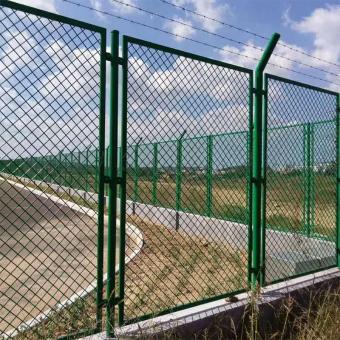
يتم تصنيع الشبكة الفولاذية الموسعة على شكل الماس من لوحة فولاذية منخفضة الكربون عالية الجودة من خلال اللكم والتمدد لتشكيل شاشة شبكية فولاذية موسعة. الألوان المتوفرة:
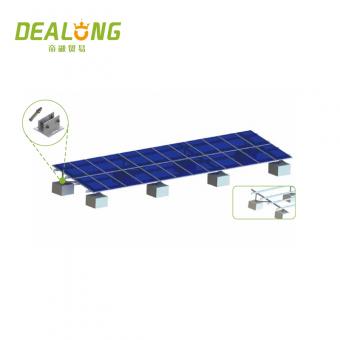
يتم تجميع حوامل الألواح الشمسية الأرضية مسبقًا في المصنع لتوفير وقت التثبيت والتكلفة
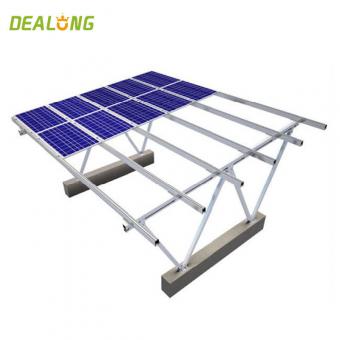
1. رقم الموديل: AL-20201110-01 2. اسم المنتج: نظام تركيب مظلة السيارات الشمسية 3. المواد: الألومنيوم والفولاذ المقاوم للصدأ 4. أقصى سرعة للرياح: 60 م/ثانية 5. حمل الثلوج: حتى 1.4 عقدة/م2 6. زاوية التركيب: 10°~60° 7. مضاد للتآكل: مؤكسد 8. الحد الأدنى للطلب: 10000 واط 9. عنصر الدفع: بنك T/T، باي بال، ويسترن يونيون 10. مهلة التسليم: 10-15 يومًا بعد الدفع
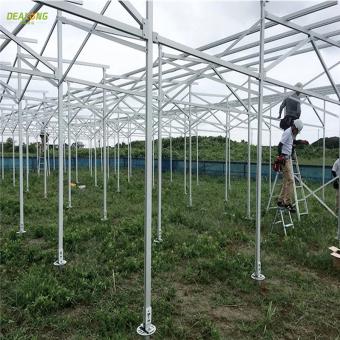
سهلة التركيب ولا تحتاج إلى قطع أو لحاممطلوبة في موقع التثبيت، مما يوفر لك الوقت والتكاليف
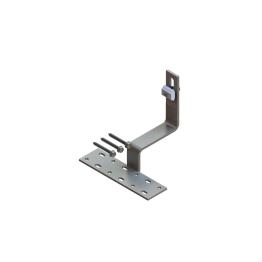
1. اسم المنتج: تركيب الألواح الشمسية على السقف 2. المادة: الفولاذ المقاوم للصدأ 304 3. اللوحة: الطول 140*العرض 33*الارتفاع 4 مم 4. الوزن: 0.56 كجم 5. السطح: مصقول بالرمل 6. النوع: قابل للتعديل 7. المكونات: خطاف + مسمار + صامولة 8. الحد الأدنى للطلب: 1000 قطعة 9. عنصر الدفع: بنك T/T، باي بال، ويسترن يونيون 10. مهلة التسليم: 10-15 يومًا بعد الدفع
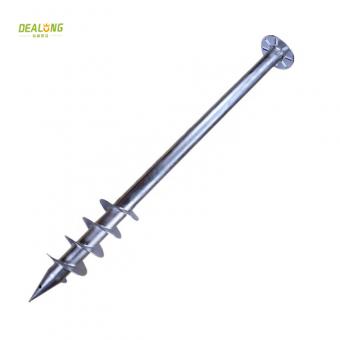
1. رقم الموديل: AL-20201110-07 2. اسم المنتج: كومة لولبية ذات شفرة حلزونية مجلفنة بالغمس الساخن 3. المواد: الفولاذ Q235B، Q195 4. معالجة السطح: الجلفنة بالغمس الساخن 5. التطبيق: نظام تركيب الطاقة الشمسية، السياج، المنزل الخشبي 6. الشهادات: ISO9001، ISO1461-1999 7. القدرة الإنتاجية: 1,000,000 قطعة/قطع شهريًا 8. المهلة الزمنية: 10-15 يومًا. 9. الحد الأدنى للطلب: 100 قطعة
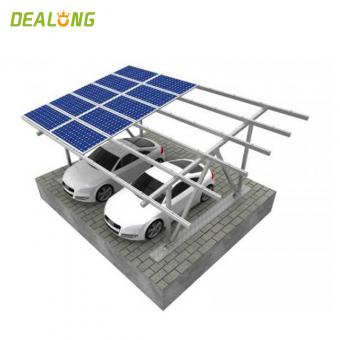
1. رقم الموديل: AL-20201111-01 2. اسم المنتج: هيكل تثبيت مرآب السيارات 3. المواد: الألومنيوم والفولاذ المقاوم للصدأ 4. أقصى سرعة للرياح: 60 م/ثانية 5. حمل الثلوج: حتى 1.4 عقدة/م2 6. زاوية التركيب: 10°~60° 7. مضاد للتآكل: مؤكسد 8. الحد الأدنى للطلب: 10000 واط 9. عنصر الدفع: بنك T/T، باي بال، ويسترن يونيون 10. مهلة التسليم: 10-15 يومًا بعد الدفع
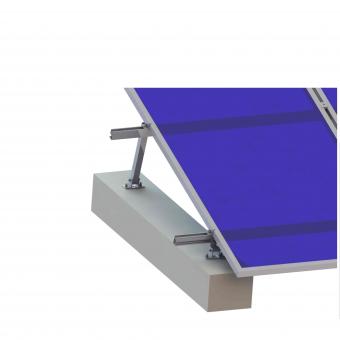
زاوية الميل هيقابلة للتعديل لتحسين إنتاج الطاقة الشمسية.

 شبكة IPv6 مدعومة